Africans in Spanish St. Augustine
European powers established colonies throughout the Americas, and northeast Florida was at the center of the struggle.
Having eliminated the French threat, Spain was well-established in Florida by the early 1600s, but England had begun colonizing land to the north of Florida, which Spain saw as a new threat.
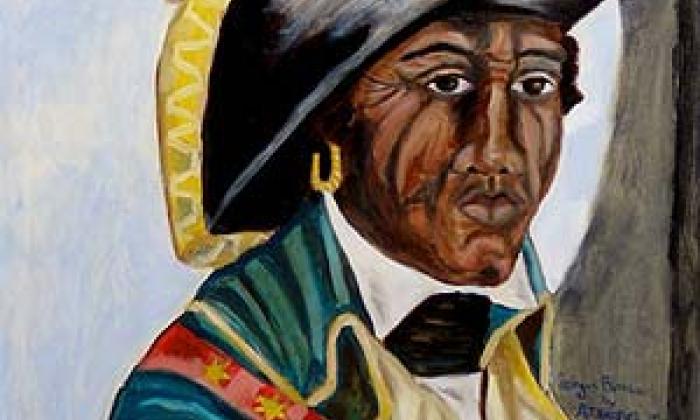
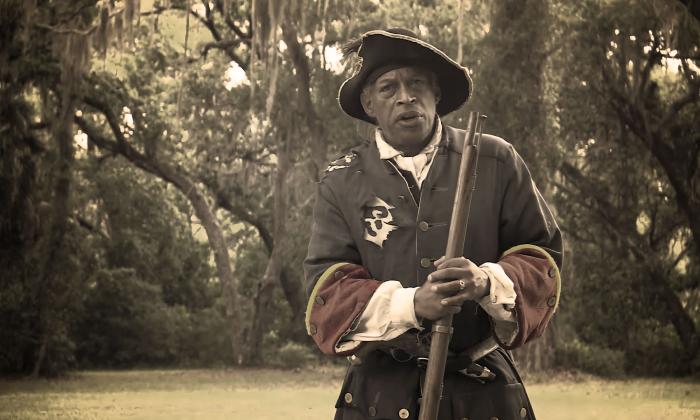
In 1687, a group of enslaved fugitives from the Carolinas came to Spanish Florida. The British demanded their “property” be returned, but Spanish authorities refused on the grounds that the refugees had converted to Catholicism and were usefully employed. This incident led the Spanish Crown to adopt a bold strategy to weaken British influence while strengthening St. Augustine’s population and military. In 1693, Spain established the Sanctuary Policy, offering freedom, land, and protection to escaped slaves who swore allegiance to Spain and converted to Catholicism.
The Sanctuary Policy became a beacon of hope for enslaved people, inspiring many to flee British colonies. Those who succeeded not only secured their freedom but also fueled British resentment.
To support the growing Black population and create a buffer against British incursions, the Spanish constructed a fortified town in 1738 two miles north of St. Augustine, Gracia Real de Santa Teresa de Mose, shortened to Fort Mose. As the first legally sanctioned free Black community in North America, it became a beacon of hope, resistance, and resilience in a world gripped by slavery.